Children Chicken Are Best Free Range: A Playful Embroidery Design Review
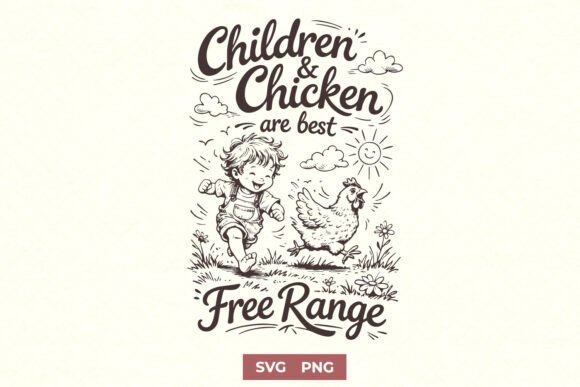
As an embroidery designer who regularly evaluates digital files for real-world use, I recently had the chance to work with the Children Chicken Are Best Free Range SVG design. At first glance, it’s a charming and cheeky nod to backyard chicken enthusiasts and homesteaders alike. The phrase “Children Chicken Are Best Free Range” is cleverly worded—playful enough to catch attention but meaningful enough to resonate with those who appreciate the lifestyle. This design isn’t just about looks; it’s about creating products that feel authentic and connect with their audience.
First Impressions and Visual Personality
The visual layout of this design immediately stands out as approachable and whimsical. It combines text with subtle imagery, making it ideal for projects where you want a lighthearted yet professional finish. The letters are spaced well, allowing for clear stitch definition even in basic fonts, while the small chicken graphic adds a touch of personality without overwhelming the overall look. This balance makes it versatile for both bold and understated applications.
I found the design particularly suited for custom apparel and handmade gifts. Its tone feels friendly and family-oriented, which makes it a natural fit for baby items, nursery decor, or holiday-themed embroidered goods. For hobbyists and Etsy sellers, this kind of design can be a great conversation starter and a way to stand out in a crowded market.
Real-World Use Scenarios
Let’s say you’re preparing a line of custom sweatshirts for a local farm-to-table boutique. You want something that reflects the brand's values—natural, simple, and community-focused. Children Chicken Are Best Free Range could be placed on the back in a large, readable format with a few decorative elements around the edges. The result would be a warm, inviting look that speaks directly to the target demographic.
If you're working on tote bag designs, this quote-style embroidery file shines. It reads clearly from a distance and has enough character to make your product memorable. When stitched in bright thread colors like yellow, green, or pink, it adds a cheerful aesthetic that aligns perfectly with the craft business vibe many makers aim for.
For handmade products like aprons or pillow covers, the design offers a good mix of simplicity and detail. The chicken motif works especially well when paired with fill stitches or satin-stitched outlines. In these cases, the design feels cohesive and polished, enhancing the perceived value of the finished item.
Where This Design Fits Well
- Baby clothes and nursery decor: The playful nature of the quote suits young audiences and adds a personal touch to onesies or wall hangings.
- Holiday gifts: As a seasonal embroidery file, it can be adapted with festive elements for Easter baskets or Christmas stockings.
- Embroidered patches: The compact size and clean lines allow for easy transfer to patch form, perfect for denim jackets or backpacks.
- Custom tote bags: The design’s clarity and moderate complexity make it a strong contender for everyday carry items.
- Tea towels and kitchen accessories: With its casual charm, it fits right into farmhouse-style home décor.
Design Limitations and Considerations
While Children Chicken Are Best Free Range is adaptable, there are situations where caution is needed. On small hoop sizes, the chicken graphic may lose some of its charm due to reduced detail visibility. Similarly, using it on textured fabrics such as flannel or canvas can affect stitch clarity, especially if the design includes fine lines or intricate shapes.
Thin or stretchy fabric might also pose challenges. If you're planning to embroider this onto delicate materials like silk or rayon blends, you’ll need to adjust stitch density and consider using a stabilizer to prevent puckering. Dark backgrounds will require careful selection of thread colors to maintain contrast and legibility. Testing the design on scrap fabric before committing to a final piece is always a smart move.
Potential Pitfalls
- Small lettering in the phrase may not render well on tiny surfaces like keychains or buttons.
- Dense stitch areas, especially in the chicken illustration, could lead to excessive bulk unless managed with proper tension settings.
- Curved surfaces such as caps or hats might distort the design if not properly adjusted for the shape.
- Products that undergo frequent washing, like daily-use tees or aprons, should have the design tested for durability and colorfastness.
Visual Appeal and Customer Engagement
This design carries a distinct visual appeal that makes it more than just a decoration—it becomes part of the story behind the product. Whether it’s stitched onto a cozy sweatshirt or printed as a printable mockup for your next Etsy listing, it brings a sense of authenticity and humor. Customers are likely to respond positively to its message, especially if they identify with the themes of sustainability, rural life, or DIY culture.
In terms of stitching clarity, the design holds up well on mid-weight cottons and quilting fabrics. However, on very dark materials, the contrast between the background and thread may need tweaking to ensure readability. Using light-colored threads on black or navy bases, for example, can dramatically enhance the visual impact and professionalism of the finished product.
Practical Designer Notes
Before integrating Children Chicken Are Best Free Range into any project, here are some steps every serious embroiderer should take:
- Test on scrap fabric: See how the design behaves with different thread types and tensions.
- Check thread color contrast: Especially important for sweatshirt embroidery or tote bags where visibility matters.
- Review stitch density: Dense areas can cause distortion or stiffness, so thinning them slightly may improve the outcome.
- Confirm hoop size: Ensure the entire design fits comfortably within your machine’s maximum dimensions.
- Inspect small details: Look at the chicken graphic closely to see if it maintains its integrity at various sizes.
- Use black and white mockups: To visualize how the design will appear without relying on specific thread shades.
- Compare light and dark fabric backgrounds: Adjust the design accordingly to preserve its charm and legibility.
- Use proper stabilizer: Especially for stretchy or slippery fabrics to avoid misregistration or warping.
- Check commercial compatibility: If you plan to sell finished products or digital embroidery files, confirm licensing allows for resale.
Commercial and Personal Project Potential
This design has potential for both personal and commercial embroidery projects. For Etsy sellers, it could serve as a unique offering in a collection of farm-themed graphics. For small shop product lines, it might become a signature element in branding efforts—especially if your store caters to eco-conscious or rural-living communities.
However, because the design lacks explicit information on stitch count, machine compatibility, or exact file formats beyond SVG, it’s essential to verify these aspects before using it in a production setting. Always test it in your preferred software to ensure smooth rendering and accurate placement.
Final Thoughts on Value and Versatility
What makes Children Chicken Are Best Free Range truly valuable is its ability to add character to a wide range of embroidery projects. From personalized gifts to small shop merchandise, it brings a sense of joy and relatability. But like all good design assets, its success depends on thoughtful application and understanding of its strengths and limitations.
When used correctly, this machine embroidery design can elevate your handmade products, increase buyer engagement, and help establish a consistent, recognizable brand identity. Just remember to adapt it to the fabric, surface, and purpose of each project to get the most out of its visual and emotional impact.
Whether you're a seasoned apparel decorator or a new creative entrepreneur, take the time to explore how this design might work best for your style and needs. After all, the best embroidery comes from knowing when—and how—to let the design shine.