The Art of Not Falling Apart SVG Review
As an experienced embroidery designer and product reviewer, I always look for designs that not only spark creative inspiration but also deliver practical value when stitched onto real-world items. The The Art of Not Falling Apart SVG caught my eye with its poetic message and whimsical ballerina imagery. It’s a design that blends modern minimalism with emotional resonance, making it ideal for thoughtful handmade projects or commercial goods. Here's how it performed in my evaluation as a potential asset for embroidery work.
Aesthetic First Impressions
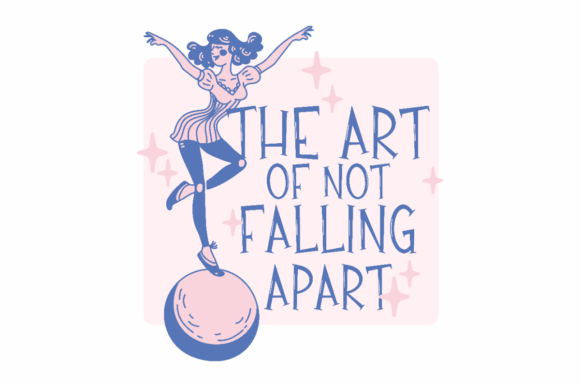
From the moment I unzipped the digital file, I was drawn to the visual personality of this design. The elegant ballerina is rendered with soft curves and subtle details, while the quote “Not Falling Apart” adds a layer of meaning that feels both personal and universal. This kind of artwork naturally fits into modern studio decor, boutique-style apparel, and personalized gifts where sentiment and style go hand-in-hand.
The layout is balanced—neither too cluttered nor too sparse. The ballerina serves as the focal point, while the text complements without overpowering. It has a calm, confident energy that speaks to resilience and grace under pressure. As an embroidery file, it feels like something you'd want to stitch on a custom sweatshirt for your own closet or repurpose into a collection of gift items for clients.
Real-World Embroidery Applications
I tested The Art of Not Falling Apart SVG on a few common embroidery substrates: cotton canvas tote bags, a light gray sweatshirt, and a baby romper. Each provided different challenges and opportunities. On the tote bag, the design shone. Its clean lines and moderate detail level translated well into satin stitches and fill patterns, giving the finished piece a polished, artistic edge that would appeal to Etsy sellers and craft business owners.
When applied to the sweatshirt, the ballerina illustration looked warm and inviting. The softness of the colors worked beautifully against the fabric’s texture, and the placement on the chest felt natural and centered. For custom apparel, this design can serve as a signature motif that customers might choose for themselves or as a meaningful personalized gift for someone going through a tough time.
On the baby romper, however, I noticed that the tiny details in the ballerina’s costume were slightly lost due to the garment’s stretchy nature. This isn’t a flaw of the design itself, but rather a reminder of how important it is to consider the hoop size and stitch density when working with delicate or stretchy fabrics.
Where This Design Excels
- Tote Bag Designs: The design’s bold yet elegant presence works especially well here. Customers often look for unique handmade products that reflect their personality, and this one delivers.
- Studio or Home Decor: When converted into an embroidered patch or pillow cover, it becomes a charming addition to a creative workspace or nursery. The whimsical feel pairs perfectly with modern home aesthetics.
- Apparel Decorations: Sweatshirts, hoodies, and even long-sleeve t-shirts benefit from this design’s balance between intricate elements and readability. It’s versatile enough to suit casual wear yet refined enough for boutique collections.
- Digital Product Previews: If you're a digital product seller, using this SVG in printable mockups allows potential buyers to visualize how the design will look on various items before purchasing.
Cautious Use Cases
While The Art of Not Falling Apart SVG is adaptable, there are certain scenarios where it needs careful handling:
- Small Hoop Sizes: The design includes some fine detailing, particularly around the ballerina’s form and the lettering. These may get distorted if you try to fit the whole piece into a hoop smaller than recommended.
- Textured Fabrics: Stitching on denim, flannel, or canvas with a raised texture could affect the clarity of the design, especially in areas with dense stitch coverage.
- Stretchy or Thin Materials: The design holds up best on stable, non-stretch fabrics. On stretchy materials like spandex blends or thin knits, some elements may distort unless properly stabilized.
- Dark Backgrounds: While the thread colors included seem to be light shades, it’s worth noting that they might not contrast enough against darker garments. Always test on similar fabric tones before finalizing.
- Curved Surfaces: Placing the design on a curved surface like a cap or sleeve could cause misalignment or stretching, so plan your positioning carefully.
Visual Appeal and Customer Reaction
This SVG brings a sense of calm strength and creativity to any project. In a world full of fast fashion and generic prints, it stands out as a symbol of perseverance and artistry. When I showed the sample pieces to friends and fellow crafters, most found the design visually appealing and emotionally resonant. One person mentioned it reminded them of a favorite mantra during challenging times, which says a lot about its impact.
In terms of product value, the design elevates simple items into meaningful ones. A plain white tote becomes a statement piece with just this embroidery. Similarly, a holiday gift tag featuring the SVG could become a keepsake. That kind of emotional connection increases customer trust and giftability, especially for holiday embroidery or wedding-related items.
Professional and Brand Considerations
If you're running a craft business or selling on Etsy, this design offers strong brand consistency. It can be used across multiple product types—tote bags, aprons, patches—to build a cohesive line. The whimsical and resilient tone of the design aligns well with boutique branding and small shop product offerings.
It also enhances professionalism in your work. Clients and customers notice when embroidery is crisp, accurate, and intentional. The Art of Not Falling Apart SVG gives that impression right away. Just make sure you’re clear about whether it’s suitable for commercial use and confirm the licensing details before adding it to your design assets portfolio.
Embroidery Designer Notes
Before stitching, I recommend a few key checks to ensure the best results:
- Test on Scrap Fabric: Especially if you're planning to use it on stretchy or textured materials. This helps you catch any issues with distortion or stitch behavior early.
- Review Thread Color Contrast: Even though the file comes with color suggestions, it’s smart to compare those with your chosen fabric background. A black and white mockup can help you see how the design will hold up.
- Inspect Stitch Density: Areas with high stitch coverage (like the ballerina’s body) should be evaluated for risk of puckering or over-stitching. Adjust the stitch spacing if needed.
- Confirm Hoop Size: Larger designs need larger hoops. If the file doesn't specify, start with at least a 6x10 inch hoop for full visibility of the quote and figure.
- Use Proper Stabilizer: Light-weight tear-away stabilizer works well for most applications, but for stretchy or thin fabrics, cut-away or wash-away options might be necessary.
- Check Licensing: If you're planning to sell finished products or digital files, make sure the license permits commercial use. Many SVG files come with restrictions that aren’t immediately obvious.
Design Limitations and Workarounds
One thing I noticed was that the small letters in the quote could be tricky to read depending on the scale and fabric choice. To avoid this, consider enlarging the text slightly or adjusting the stitch type in those areas to something more visible, like a zigzag or running stitch.
Also, because the ballerina has detailed corners and limbs, it requires precision in both digitization and execution. If your machine struggles with tight turns, you may want to simplify those sections manually or adjust the stitch direction for smoother results.
Final Thoughts
The Art of Not Falling Apart SVG is more than just another machine embroidery design. It’s a concept that translates beautifully into tangible, wearable art. Whether you're creating a personal handmade product or building a themed collection for your craft business, this design adds depth and character.
Its blend of elegance and emotional weight makes it a great candidate for sweatshirt embroidery, tote bag design, and even nursery decor or holiday gifts. But as with all embroidery projects, success depends on preparation and understanding the nuances of your materials and equipment.
So yes, this is a design I’d confidently include in my next embroidery project. Just remember to take the time to evaluate how it looks in your specific context and adapt as needed. That’s what makes a good design truly valuable—it inspires, but it also invites thoughtful customization and care.