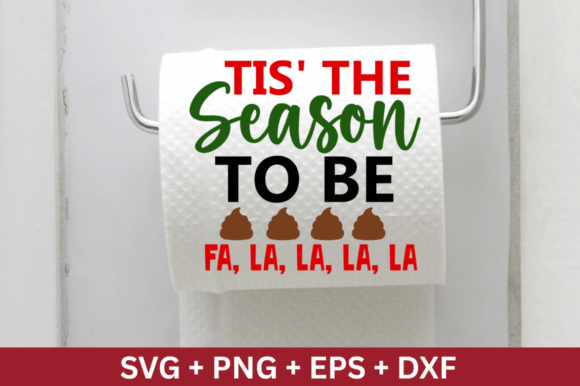
Tis the Season to Be Fa, La, La, La, La
Embroidery designs are more than just pretty files—they need to translate well into real-world applications. When I first opened Tis the Season to Be Fa, La, La, La, La, I was immediately drawn in by its cheeky charm and clever visual balance. It’s not every day you see a design that combines holiday cheer with bathroom humor so seamlessly. This is one of those rare cases where the theme feels both timely and timeless. Let me walk you through my practical evaluation of this machine embroidery design from a designer's perspective.
A Humorous Yet Refined Visual Language
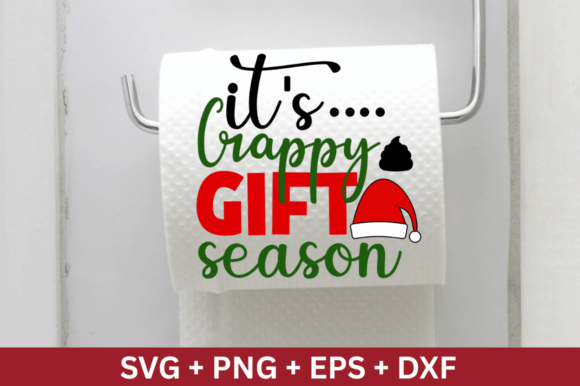
The layout of Tis the Season to Be Fa, La, La, La, La is clean and bold, which makes it versatile for a range of projects. The text is stylized but readable—key for any embroidered quote or phrase. The inclusion of a toilet paper roll as a central graphic element adds a touch of whimsy without being too cluttered. It’s a great example of how humor can be embedded into an applique design while still maintaining a professional appearance.
I found the shape of the design to be forgiving. It doesn’t have overly intricate corners or delicate filigree, which means it won’t lose its charm when stitched on less-than-ideal surfaces. The visual personality leans into sarcasm and lightheartedness, making it perfect for customers who appreciate subtle irony in their handmade products or custom apparel.
Real-Life Application: A Tote Bag Project
To test the design’s usability, I applied it to a custom tote bag project. The result? A standout piece that turned heads at a local craft fair. Customers laughed out loud, then asked about the licensing because they were eager to buy or replicate it. That kind of engagement is gold for an Etsy seller or small shop owner.
When stitched on a cotton canvas tote using satin stitch and fill stitch techniques, the design retained clarity and dimension. The “Fa, La, La, La, La” part had enough spacing between letters to avoid overcrowding, even when scaled up slightly for visibility. The toilet paper motif worked especially well with a contrasting thread color, giving it that punchy pop needed for commercial embroidery.
As a sweatshirt embroidery option, it would work best on a front pocket or down the sleeve. The key is to maintain legibility and ensure the humor isn’t lost due to poor placement or fabric texture.
Where This Design Shines
- Custom Apparel: Whether it’s t-shirts, sweatshirts, or hoodies, this design brings a smile to casual wear.
- Baby Clothes & Nursery Decor: While it may seem odd at first, the sarcastic tone fits perfectly into modern baby gift culture—especially if paired with playful fonts or colors.
- Embroidered Patches: The design could easily be adapted into a patch format for denim jackets, backpacks, or even dog collars.
- Gift Items: Think holiday gifts like aprons, pillow covers, or kitchen towels. It’s a unique way to stand out in a sea of generic Christmas designs.
- Digital Embroidery File Use: As a graphics-based product, it works well in printable mockups for digital sellers. You can show off the design on various items without ever stitching it.
Customer Reactions and Giftability
One of the things I love most about this design is its universality. People either laugh instantly or get the joke after a second glance. Either way, it creates a memorable impression. For personalized gifts, especially ones meant for couples or friends who enjoy inside jokes and shared humor, this could be a hit. Just imagine it stitched onto a cozy holiday throw or a mug sleeve—it’s conversation-starting material.
Use With Caution: Practical Limitations
Despite its charm, there are some limitations to consider before jumping into production. First, the design includes small details and lettering that might not hold up on very thin or stretchy fabrics. On something like a rayon shirt, the text could distort slightly depending on tension and fabric movement.
If you're working with small hoop sizes, be prepared to scale it down carefully. Tiny hoops will compress the overall look, potentially making the message harder to read. Also, the use of multiple thread colors means you’ll need to pay attention to contrast and whether your machine can handle multi-color embroidery efficiently.
For dark fabric backgrounds, testing the thread colors is essential. Some combinations may become muddied or lose their intended effect unless you switch to lighter threads or reverse the design elements.
Design Integrity on Textured Surfaces
Textured fabrics like flannel or felt add depth, but they also challenge stitch clarity. In these cases, the running stitch outlines in Tis the Season to Be Fa, La, La, La, La help maintain definition. However, dense stitch areas (like the TP roll) may require additional stabilizer to prevent puckering or distortion.
Professional Presentation Tips
Here are a few notes from my experience using this design professionally:
- Test on scrap fabric first: Especially if you plan to scale it for different products. I always do a trial run to check how the stitches lay and how the colors interact with the background.
- Check thread color contrast: If the design loses its visual impact on a particular fabric, it’s time to adjust the thread palette.
- Review stitch density: The TP roll area has a moderate level of detail, so adjusting stitch density can help preserve the design’s integrity on thinner materials.
- Confirm hoop size: Before mass production, verify that your hoop can accommodate the design without compression.
- Inspect small details: Look closely at the lettering and decorative accents. They should remain clear and not get lost in the embroidery process.
- Test in black and white: This helps determine if the design relies too much on color for readability.
- Compare light and dark backgrounds: The same design can feel entirely different depending on the fabric shade.
- Use proper stabilizer: Especially important for delicate or stretchy materials. I recommend tear-away or cut-away stabilizers based on the fabric type.
- Confirm licensing terms: Always double-check what’s included. If you’re planning to sell finished products or digital assets, make sure the license supports that usage.
Visual Appeal and Brand Consistency
From a brand-building standpoint, Tis the Season to Be Fa, La, La, La, La can be a strong addition to your design portfolio if your aesthetic leans toward fun, irreverent, or modern. Its ability to blend holiday themes with everyday humor makes it highly relatable and shareable—perfect for social media marketing or Etsy listings.
However, if your craft business focuses on more traditional or elegant styles, this design might not align with your brand voice. It’s all about matching the personality of your handmade products with the right design assets.
Product Value and Customer Trust
Humor in embroidery is a powerful tool—but only if it’s executed well. This design demonstrates that it can be done without compromising quality. When customers receive a finished product that looks polished and witty, it builds trust in your craftsmanship and attention to detail.
On the flip side, if the design appears rushed or unclear, it can hurt your reputation. That’s why it’s crucial to ensure that each element—from the font choice to the TP roll—is clearly defined and holds up after several washes, especially for items like baby clothes or kitchen towels.
Final Thoughts for Makers and Sellers
In summary, Tis the Season to Be Fa, La, La, La, La is a standout in the world of holiday embroidery and crafts graphics. It’s got that perfect mix of timing, tone, and technical adaptability. But don’t take it for granted—treat it like any other design asset. Test it, tweak it, and think about how it fits into your overall creative offerings.
Whether you're an embroidery designer, a boutique owner, or an Etsy seller, this design can elevate your personalized gift line or bring a fresh twist to your small shop product catalog. Just remember to factor in fabric compatibility, hoop space, and long-term durability, particularly if the item will be used frequently or washed often.
So go ahead, give it a try—but maybe test it on a cap or a pillow cover first. After all, embroidery projects are only as good as the thought put into them. And let’s face it, we’ve all been there… stuck waiting for the next roll. Why not turn that moment into a sale?